
Black Magic Mushtaq Ali
BLACK MAGIC SPECIALIST ASTROLOGER
- MIYA MUSHTAQ ALI -
BLACK MAGIC SPECIALIST ASTROLOGER
- MIYA MUSHTAQ ALI -
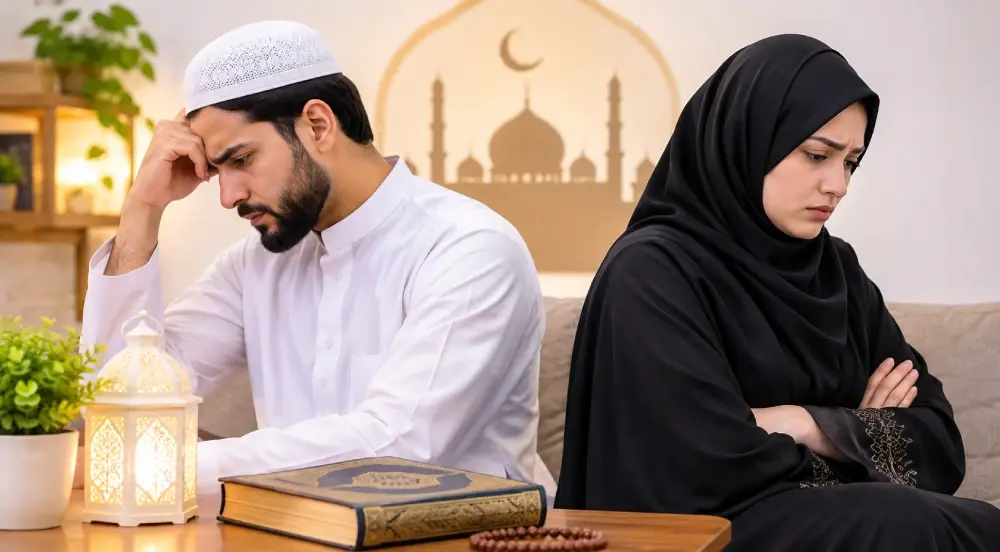
Marriage is a beautiful relationship built on love, trust, understanding, patience, and mutual respect. However, even couples who deeply care about each other may experience frequent arguments, misunderstandings, emotional distance, and disagreements. Sometimes, small issues turn into major conflicts because of a lack of communication, family interference, financial pressure, or differences in expectations. When these problems continue for a long time, they can affect the happiness and stability of married life.
In Islam, marriage is considered a meaningful bond that encourages compassion, kindness, responsibility, and mutual respect between husband and wife. The Quran emphasizes the importance of love and mercy in marital relationships. Couples are encouraged to treat each other with patience, avoid unnecessary arguments, and make sincere efforts to resolve their differences.
If you are experiencing frequent disagreements with your partner, understanding Islamic principles can help you approach the situation with a calmer mindset. Seeking appropriate relationship guidance can also help couples understand the reasons behind their conflicts and work towards a healthier married life.
Before finding a solution, it is important to understand what causes repeated arguments between husband and wife. Every relationship has different challenges, and identifying the underlying reasons can make it easier to resolve conflicts.
Some common reasons include:
Lack of communication: When couples do not openly express their feelings, misunderstandings can develop.
Financial disagreements: Differences regarding spending, savings, and family responsibilities can create tension.
Family interference: Involvement of relatives in personal matters may sometimes lead to unnecessary conflicts.
Lack of attention: When one partner feels ignored or emotionally neglected, frustration may increase.
Trust issues: Past experiences, dishonesty, or misunderstandings can affect emotional security.
Different expectations: Couples may have different opinions about household responsibilities, parenting, and lifestyle decisions.
Recognizing these reasons is the first step towards improving a relationship. Instead of blaming each other, both partners should try to understand the situation and work together.
Islam encourages spouses to maintain kindness, patience, and compassion in their relationship. Marriage should not become a constant competition about who is right or wrong. Both husband and wife have responsibilities towards one another, and fulfilling these responsibilities with sincerity can strengthen their bond.
The Quran describes marriage as a relationship involving love and mercy. Surah Ar-Rum (30:21) highlights that Allah has created spouses so that they may find tranquillity in one another, with affection and mercy between them.
This teaching reminds couples that emotional peace is an important part of married life.
Some Islamic values that can help couples include:
1. Practice Patience (Sabr)
Patience is an important quality in Islam. During disagreements, couples should avoid reacting immediately with anger. Taking time to calm down can prevent hurtful words and unnecessary arguments.
2. Show Respect and Kindness
Even when husband and wife disagree, they should maintain respectful communication. Insulting, humiliating, or intentionally hurting a partner can damage emotional trust.
3. Avoid Unnecessary Arguments
Not every disagreement needs to become a major discussion. Sometimes, understanding your partner's perspective and letting go of minor issues can protect peace in the relationship.
4. Forgive Each Other
Every individual makes mistakes. Sincere apologies and forgiveness can help couples move forward instead of repeatedly discussing past problems.
Repeated arguments can create emotional exhaustion, especially when couples feel that their concerns are never understood. Improving communication and changing certain habits can make a meaningful difference.
Here are some practical steps that couples can follow.
Communication is one of the strongest foundations of a healthy marriage. Instead of saying that your partner is always wrong, explain how a particular situation makes you feel.
For example, rather than arguing about a lack of attention, calmly explain that spending quality time together makes you feel valued.
Listening is equally important. Both partners should have an opportunity to express their concerns without interruption.
When emotions become intense, people sometimes say things they do not actually mean. Such words can create lasting emotional wounds.
If a discussion becomes heated, take a short break and return to the conversation when both partners feel calmer. Avoid threats, insults, or aggressive behaviour.
Busy schedules, professional responsibilities, and family commitments can reduce the time couples spend together.
Making time for simple activities, sharing meals, discussing daily experiences, or going for a walk can improve emotional connection.
Small gestures of appreciation often make a significant difference.
Family relationships can sometimes become a source of marital conflict. Couples should maintain respect towards their families while also establishing healthy boundaries.
Personal disagreements should ideally be discussed privately rather than turning into family-wide arguments.
Many couples focus only on what their partner does incorrectly. Recognizing positive efforts can help restore emotional warmth.
Thanking your spouse, acknowledging responsibilities, and expressing affection can gradually improve the atmosphere at home.
For Muslim couples, prayer and dua can provide spiritual comfort during difficult periods. Turning towards Allah during emotional challenges may help individuals develop patience, hope, and a positive outlook.
One beautiful Quranic dua is mentioned in Surah Al-Furqan (25:74):
Rabbana hab lana min azwajina wa dhurriyyatina qurrata a'yunin waj'alna lil-muttaqina imama.
Meaning: Our Lord, grant us from among our spouses and offspring comfort to our eyes and make us an example for the righteous.
Couples can make sincere dua for understanding, mercy, protection from unnecessary conflicts, and happiness in their families.
Along with prayer, it is important to take practical steps to address relationship problems. Spiritual practices should not replace honest communication, counselling, or professional support when these are needed.
Sometimes, repeated arguments continue despite several attempts to resolve them. Couples may experience emotional distance, trust problems, frequent misunderstandings, or difficulty discussing important matters.
In such situations, seeking guidance from a qualified marriage counsellor or a trusted person with appropriate knowledge can be helpful.
If you are looking for a specialist for love marriage concerns, understanding the available guidance options can help you explore relationship challenges, family disagreements, and concerns affecting married life.
A supportive approach can help couples understand each other's expectations and identify healthier ways to communicate.
Husband and wife relationship problems can develop for many reasons. Sometimes, one partner feels emotionally neglected, while the other may feel misunderstood or constantly criticized.
These situations require patience and a willingness to understand each other's concerns.
Seeking support for husband and wife relationship problems may help individuals explore the challenges affecting their marriage and understand possible ways to improve their relationship.
Some important areas to focus on include:
Rebuilding communication and emotional understanding.
Addressing trust-related concerns honestly.
Managing disagreements without disrespect.
Understanding family-related pressures.
Developing mutual respect and responsibility.
Finding constructive ways to resolve repeated conflicts.
A healthy relationship requires effort from both partners. One person alone cannot create lasting changes if the other partner is unwilling to communicate or participate.
Trust is essential for a successful marriage. When couples argue frequently, they may gradually lose confidence in each other's words and intentions.
Rebuilding trust takes time, honesty, and consistent actions.
Here are some ways to improve trust:
Be Honest With Each Other: Avoid hiding important matters or making promises that you cannot fulfil.
Keep Your Commitments: Small actions, such as keeping your word and being available when needed, help rebuild confidence.
Avoid Bringing Up Every Past Mistake: Constantly reminding your partner about previous disagreements can prevent emotional healing.
Give Each Other Time: Do not expect every problem to disappear immediately. Emotional recovery requires patience and understanding.
Create Healthy Boundaries: Respect each other's personal space while maintaining openness and emotional connection.
When both partners genuinely want to improve their marriage, these efforts can gradually create a more supportive environment.
Sometimes, frequent arguments create so much emotional distance that couples begin considering separation. In other situations, misunderstandings and family pressures may lead to temporary separation.
Such circumstances can be painful, especially when both individuals still have feelings for each other.
If you are searching for relationship reconciliation and getting a lost love back, it is important to approach the situation with patience, respect, and realistic expectations.
Reconciliation should always involve mutual willingness. Both individuals must have the freedom to make their own decisions without pressure, threats, or manipulation.
Some helpful steps towards reconciliation include:
Understand the actual reason behind the separation or disagreement.
Give each other sufficient time and emotional space.
Apologize sincerely when you have made a mistake.
Avoid involving unnecessary people in personal disagreements.
Discuss whether both partners are willing to rebuild the relationship.
Consider professional marriage counselling if communication remains difficult.
A relationship becomes stronger when both individuals feel heard, respected, and emotionally secure.
Islamic values provide meaningful guidance for maintaining healthy family relationships. Kindness, honesty, patience, forgiveness, and responsibility are important qualities that can help couples overcome everyday challenges.
Husband and wife should remember that disagreements are a normal part of human relationships. What matters is how they handle those disagreements.
Some valuable principles include:
Speak politely, even when expressing disagreement.
Avoid making decisions during moments of anger.
Respect your spouse's feelings and opinions.
Do not use personal weaknesses to hurt each other.
Make time for prayer and positive family activities.
Seek fair solutions instead of trying to win every argument.
Consult trustworthy and knowledgeable people when necessary.
If conflicts involve threats, violence, intimidation, or emotional abuse, personal safety should come first. Seeking appropriate professional and community support is important.
1. What does Islam say about frequent arguments between husband and wife?
Islam encourages couples to maintain love, mercy, patience, and mutual respect. Husband and wife should try to resolve disagreements peacefully and avoid hurting each other through words or actions.
2. Which dua can help improve peace between husband and wife?
The dua from Surah Al-Furqan (25:74) is commonly recited when asking Allah for comfort and blessings through one's spouse and children. Couples can make sincere personal duas for understanding, affection, and family harmony.
3. How can I stop fighting with my husband or wife?
Start by understanding the reasons behind your disagreements. Communicate calmly, listen without interrupting, avoid blaming each other, and work together to find practical solutions.
4. Can Islamic guidance help resolve marriage problems?
Islamic teachings encourage forgiveness, patience, kindness, and responsible behaviour. These principles can support couples in improving communication and handling relationship challenges.
5. What should I do if my partner does not understand my feelings?
Choose a calm time to discuss your concerns. Explain your feelings clearly without accusations. If the problem continues, consider seeking help from a qualified relationship counsellor or a trusted mediator.
6. Is reconciliation possible after frequent arguments?
Yes, reconciliation may be possible when both partners genuinely want to rebuild their relationship. Honest communication, mutual respect, accountability, and time are important for restoring trust.
Fill the form below and our expert will contact you shortly.