
Black Magic Mushtaq Ali
BLACK MAGIC SPECIALIST ASTROLOGER
- MIYA MUSHTAQ ALI -
BLACK MAGIC SPECIALIST ASTROLOGER
- MIYA MUSHTAQ ALI -
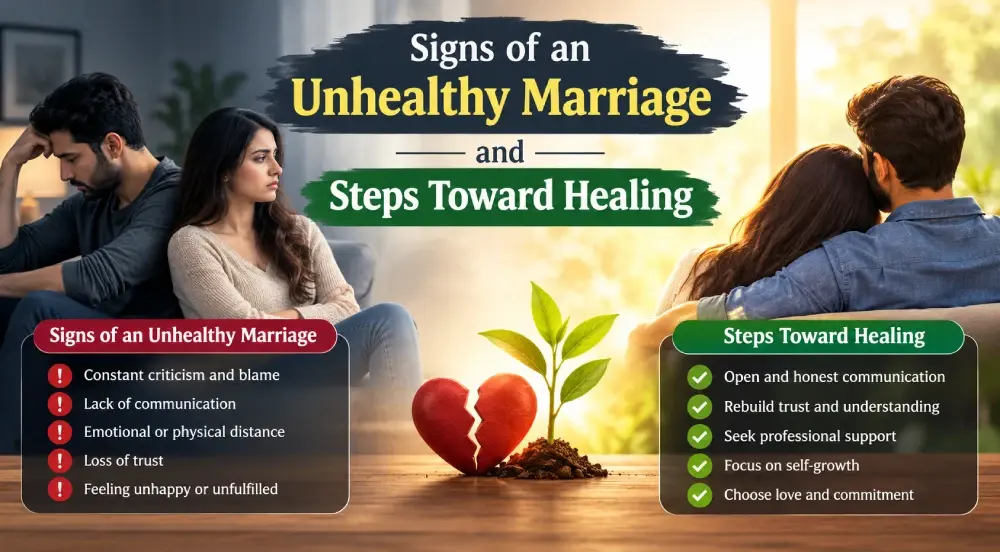
Marriage is a meaningful relationship built on love, trust, respect, understanding, and emotional support. However, even a relationship that begins with happiness and strong affection can experience difficulties over time. Work-related stress, financial pressure, misunderstandings, family expectations, communication gaps, and unresolved emotional conflicts can gradually create distance between partners. Recognizing the signs of an unhealthy marriage is an important first step toward understanding these challenges and finding a healthier path forward.
An unhealthy marriage does not always mean that love has disappeared. Sometimes, couples still care deeply about each other but struggle to express their feelings, resolve disagreements, or rebuild emotional intimacy. In other situations, repeated disrespect, manipulation, controlling behavior, or emotional neglect can seriously affect a person's well-being.
If you are experiencing relationship difficulties, understanding the underlying problems can help you make informed decisions about your future. Mushtaq Ali focuses on offering spiritual guidance and relationship support to individuals seeking clarity, emotional balance, and a better understanding of their personal circumstances. If you are looking for further guidance, explore the husband-wife problem solution service to learn more about available relationship support.
In this article, we will explore the common signs of an unhealthy marriage, the reasons relationships become strained, and practical steps that may help couples work toward healing, trust, and emotional peace.
An unhealthy marriage is a relationship in which negative patterns repeatedly affect the emotional, mental, or physical well-being of one or both partners. Occasional disagreements are normal in married life, but persistent conflict, a lack of respect, dishonesty, emotional withdrawal, and fear can indicate deeper problems.
In a healthy marriage, both partners feel comfortable expressing their opinions, discussing concerns, setting boundaries, and making important decisions together. They may disagree, but they attempt to understand one another and resolve differences constructively.
In an unhealthy marriage, conversations may regularly turn into arguments, one partner may feel ignored, or important issues may remain unresolved for months or years.
Every marriage is different, and a single difficult period does not necessarily mean a relationship is unhealthy. The important factor is whether harmful behaviors become repeated patterns and whether both partners are willing and able to address them.
Recognizing unhealthy relationship patterns can help you understand what is happening in your marriage and identify areas that need attention.
1. Constant Arguments and Unresolved Conflicts
Frequent arguments are among the most noticeable signs of an unhealthy marriage. Couples may disagree about finances, household responsibilities, family involvement, parenting, or personal expectations.
Disagreements become more damaging when the same issues repeatedly arise without any meaningful resolution. Conversations may involve shouting, accusations, insults, or bringing up past mistakes instead of addressing the original concern.
Over time, repeated conflict can create emotional exhaustion and make partners reluctant to communicate honestly.
Steps toward healing: Choose a calm time to discuss difficult subjects. Focus on one issue at a time, listen without interrupting, and use statements such as "I feel hurt when..." rather than making personal accusations. If both partners cannot communicate constructively, professional marriage counseling may help.
2. Lack of Trust and Honesty
Trust provides the foundation for a stable marriage. When one partner repeatedly lies, hides important information, breaks promises, or behaves dishonestly, the other partner may begin questioning everything.
Trust issues can also arise after infidelity, financial deception, or repeated failures to keep commitments. Suspicion and insecurity may gradually replace the sense of safety that once existed in the relationship.
Rebuilding trust takes time and consistent effort. Empty promises rarely repair the damage caused by repeated dishonesty.
Steps toward healing: Identify the specific behavior that damaged trust and discuss what accountability would look like. Both partners should establish realistic expectations, communicate honestly, and allow time for consistent actions to demonstrate change.
3. Emotional Distance Between Partners
Emotional disconnection can develop slowly. Partners may stop sharing their daily experiences, discussing personal concerns, or expressing affection. Although they continue living together, they may feel increasingly alone.
A lack of emotional intimacy can occur when one or both partners feel misunderstood, overwhelmed, rejected, or unappreciated.
This distance can become especially painful when a person misses the emotional closeness they experienced earlier in the marriage.
Steps toward healing: Make time for meaningful conversations without phones or other distractions. Ask open-ended questions, express appreciation, and show genuine interest in each other's feelings. Small, consistent moments of connection can help rebuild emotional closeness when both partners feel safe participating.
4. Poor Communication and Misunderstandings
Healthy communication requires more than simply talking. It involves listening, understanding different perspectives, expressing needs respectfully, and discussing disagreements without humiliation.
In an unhealthy marriage, communication may involve silence, sarcasm, constant criticism, defensiveness, or refusing to discuss important matters.
When partners stop communicating effectively, minor misunderstandings can develop into major conflicts.
Steps toward healing: Practice active listening by allowing your partner to finish speaking before responding. Clarify what you have understood instead of immediately assuming negative intentions. Discuss expectations openly and agree on respectful ways to handle disagreements.
5. Feeling Unappreciated or Ignored
Feeling valued is an important part of emotional connection. When one partner consistently ignores the other's contributions, dismisses their feelings, or treats their efforts as unimportant, resentment can develop.
For example, a spouse may feel overwhelmed by household responsibilities, financial obligations, childcare, or caring for extended family without receiving emotional support or appreciation.
Over time, feeling invisible in a marriage can affect confidence and relationship satisfaction.
Steps toward healing: Discuss responsibilities fairly and express appreciation for everyday efforts. Both partners should have opportunities to share their concerns and explain what makes them feel respected, supported, and valued.
6. Repeated Criticism, Disrespect, or Humiliation
Constructive feedback can help couples grow, but constant criticism can damage emotional security. Repeated insults, mocking, name-calling, public humiliation, and dismissive comments can make one partner feel inferior.
Disrespect often becomes especially harmful when it is dismissed as a joke or justified by saying that the other person is too sensitive.
A healthy marriage does not require partners to agree on everything, but it does require basic dignity and respect.
Steps toward healing: Establish clear boundaries around acceptable communication. Explain which behaviors are hurtful and agree to address disagreements without insults or humiliation. If disrespect continues despite clear boundaries, consider individual support or professional guidance.
7. Lack of Physical or Emotional Intimacy
Intimacy includes affection, emotional closeness, physical connection, and the feeling of being wanted and understood.
Stress, unresolved resentment, health concerns, exhaustion, and relationship conflict can affect intimacy. Some couples gradually stop expressing affection, while others experience pressure or discomfort around physical closeness.
It is important to remember that neither partner is entitled to physical intimacy without consent.
Steps toward healing: Discuss emotional and physical needs without blame or pressure. Explore the reasons behind the distance and consider qualified relationship or healthcare support when appropriate. Rebuilding intimacy should involve mutual comfort, respect, and freely given consent.
8. Controlling Behavior and Excessive Jealousy
A partner may occasionally feel insecure, but repeated attempts to control another person's decisions can indicate a serious relationship problem.
Examples include monitoring phone activity, restricting friendships, controlling money, demanding constant updates, isolating a spouse from family, or deciding what the other person may wear or where they may go.
Such behaviors are not simply signs of love or concern. They may be forms of coercive control, particularly when accompanied by threats, intimidation, or fear.
Steps toward healing: Recognize that both partners have a right to personal boundaries, independence, and respectful treatment. If controlling behavior makes you feel unsafe, seek confidential support and prioritize your safety. Couples counseling may not be appropriate when abuse or coercive control is present.
9. Avoiding Problems Instead of Resolving Them
Some couples avoid disagreements because they fear arguments, rejection, or emotional discomfort. Although taking a break during a heated discussion can be useful, permanently avoiding important issues prevents meaningful change.
Unresolved concerns about finances, family boundaries, future plans, or emotional needs may continue creating tension beneath the surface.
Steps toward healing: Agree on a suitable time to discuss difficult issues. Break complicated problems into manageable steps and identify specific actions each partner can take. If conversations repeatedly become unproductive, consider working with a qualified marriage counselor.
10. Feeling Lonely, Anxious, or Emotionally Exhausted
One of the most painful signs of an unhealthy marriage is feeling emotionally alone despite sharing a home with someone.
You may constantly worry about your partner's reactions, feel nervous before conversations, struggle to express your needs, or experience ongoing sadness because of relationship problems.
These feelings deserve attention rather than being dismissed as an unavoidable part of married life.
Steps toward healing: Take your emotional well-being seriously. Speak with someone trustworthy, maintain supportive relationships, and consider individual counseling. You do not have to solve every relationship problem alone.
Understanding the causes of marital difficulties can help couples identify the areas that need attention.
Lack of Emotional Understanding
Partners may have different expectations about affection, responsibilities, communication, and commitment. When these differences remain unspoken, misunderstandings can grow.
Financial Stress and Family Pressure
Money problems, disagreements about spending, extended-family involvement, and competing responsibilities can place significant pressure on married life.
Unresolved Past Experiences
Previous relationship disappointments, painful family experiences, and personal insecurities may influence how individuals respond to conflict. Understanding these patterns can help couples respond more thoughtfully.
Infidelity and Broken Promises
Betrayal can deeply affect trust and emotional security. Repairing the relationship, when both partners want to pursue it, requires accountability, honesty, and time.
Lack of Shared Effort
A marriage can become increasingly difficult when one partner takes responsibility for every conversation, compromise, or attempt at reconciliation. Lasting improvement generally requires meaningful participation from both people.
Understanding these causes does not mean excusing harmful behavior. Each person remains responsible for their own choices and actions.
Healing begins with recognizing the problem and deciding what a healthier relationship should look like. Although not every marriage can or should be repaired, the following steps can help couples assess their situation and identify constructive options.
1. Acknowledge the Problems Honestly
The first step is to recognize recurring patterns without minimizing their impact. Ask yourself which behaviors are causing pain, how long they have continued, and what changes would be necessary for you to feel respected and emotionally secure.
Honest reflection can help you distinguish between temporary disagreements and persistent relationship problems.
2. Improve Communication
Create opportunities to discuss feelings and expectations calmly. Avoid insults, threats, and sweeping statements about your partner's character.
Try to understand the concern behind each person's words. Good communication does not guarantee agreement, but it can make disagreements easier to understand and manage.
3. Rebuild Trust Through Consistent Actions
Trust cannot be restored through promises alone. If a partner has caused harm, meaningful change may involve taking responsibility, being truthful, respecting boundaries, and following through on commitments.
The person who has been hurt should not be pressured to forgive immediately. Rebuilding trust is a process, and the outcome depends on the circumstances and both partners' choices.
4. Spend Meaningful Time Together
Busy schedules can reduce opportunities for connection. Consider setting aside regular time for a walk, a shared meal, a meaningful conversation, or an activity you both enjoy.
The purpose is not to pretend that problems do not exist, but to create opportunities for positive interaction alongside the work of addressing difficult issues.
5. Establish Healthy Boundaries
Boundaries help protect individual well-being and clarify what behavior is acceptable. They may involve privacy, finances, family involvement, personal time, or the way disagreements are handled.
Healthy boundaries are not punishments. They are clear expectations that help people maintain dignity and emotional safety.
6. Consider Professional Marriage Counseling
A qualified marriage counselor or couples therapist can help partners recognize unhealthy patterns, improve communication, and explore whether rebuilding the relationship is realistic.
Individual counseling may be more appropriate when one partner is unwilling to participate or when a person needs support understanding their own feelings and choices.
When abuse, intimidation, or coercive control is present, seek specialist support individually before considering joint counseling.
7. Make Space for Personal Growth
Healing does not depend entirely on changing your partner. Reflect on your own communication habits, emotional needs, boundaries, and expectations.
Maintaining friendships, personal interests, healthy routines, and self-respect can help you approach relationship decisions with greater clarity.
Personal growth should not be confused with accepting mistreatment or taking responsibility for another person's harmful behavior.
When a marriage becomes emotionally difficult, people may look for guidance that respects their personal values, cultural background, and spiritual beliefs. Alongside practical steps, some individuals find comfort in reflection, prayer, or spiritual practices that support a sense of calm and hope.
Mushtaq Ali offers a spiritual-guidance perspective for individuals seeking clarity during relationship challenges. People exploring spiritual relationship guidance may wish to reflect on their feelings, understand their concerns, and consider the choices available to them.
Seeking guidance can be an opportunity to explore personal values and emotional needs, but it should complement rather than replace appropriate professional support when serious relationship difficulties arise.
No spiritual practice can guarantee that a spouse will change, restore trust, or save a marriage. Meaningful relationship improvement depends on individual choices, mutual respect, personal safety, and, when appropriate, qualified professional assistance.
If you are considering relationship guidance from Mushtaq Ali, look for clear information about the services offered, realistic expectations, and respectful practices that protect your privacy and personal autonomy.
Some unhealthy marriages can improve when both partners recognize the problems and consistently work toward change. Open communication, mutual accountability, emotional support, and professional counseling can help couples develop healthier patterns.
However, reconciliation is not always possible, and remaining married is not the only measure of success. In relationships involving persistent abuse, threats, or serious harm, prioritizing safety may be more important than attempting reconciliation.
Consider these questions when evaluating your situation:
Can both partners express their feelings without fear?
Are disagreements handled with basic respect?
Does each partner accept responsibility for their behavior?
Are boundaries and personal independence respected?
Are positive changes consistent rather than temporary?
Do you feel emotionally and physically safe?
Your answers may help you understand whether the relationship is moving toward improvement or whether additional support and different decisions are needed.
If you are in immediate danger, contact local emergency services or a trusted domestic violence support organization. In India, emergency assistance is available through 112.
1. What are the biggest signs of an unhealthy marriage?
Common signs include constant unresolved arguments, a lack of trust, emotional distance, repeated disrespect, controlling behavior, poor communication, and feeling consistently anxious or unsupported.
2. Can an unhealthy marriage be saved?
Some marriages improve when both partners are willing to make meaningful changes. Honest communication, clear boundaries, accountability, and qualified marriage counseling may help. However, reconciliation is not always possible or safe.
3. How do I know if my marriage is affecting my mental well-being?
Persistent sadness, anxiety, emotional exhaustion, fear of your partner's reactions, and feeling isolated may indicate that your relationship is affecting your well-being. Consider speaking with a qualified mental health professional for personalized support.
4. When should couples seek marriage counseling?
Couples may benefit from counseling when communication repeatedly breaks down, trust has been damaged, conflicts remain unresolved, or emotional intimacy has declined. If abuse or coercive control is involved, seek specialist individual support first.
5. Can spiritual guidance help with marriage problems?
Some people find spiritual reflection helpful for personal clarity, emotional comfort, and hope. However, spiritual guidance cannot guarantee reconciliation or replace professional counseling and safety support when needed.
6. Who can I approach for spiritual relationship guidance?
Individuals interested in spiritual guidance may explore the services offered by Mushtaq Ali, review the available information carefully, and ensure that any guidance aligns with their values and expectations. Choose services that respect your privacy and do not promise guaranteed relationship outcomes.
Recognizing the signs of an unhealthy marriage is an important step toward protecting your emotional well-being and understanding your relationship more clearly. Constant arguments, broken trust, emotional distance, controlling behavior, and repeated disrespect should not be ignored when they become ongoing patterns.
The path toward healing may involve better communication, rebuilding trust, establishing boundaries, seeking professional counseling, or making difficult decisions about the future. Every relationship has its own circumstances, and there is no single solution that works for everyone.
Mushtaq Ali may be a point of interest for individuals exploring spiritual guidance alongside practical relationship support. Whatever path you choose, prioritize honesty, mutual respect, personal safety, and realistic expectations.
Fill the form below and our expert will contact you shortly.