Black Magic Mushtaq Ali
BLACK MAGIC SPECIALIST ASTROLOGER
- MIYA MUSHTAQ ALI -
BLACK MAGIC SPECIALIST ASTROLOGER
- MIYA MUSHTAQ ALI -
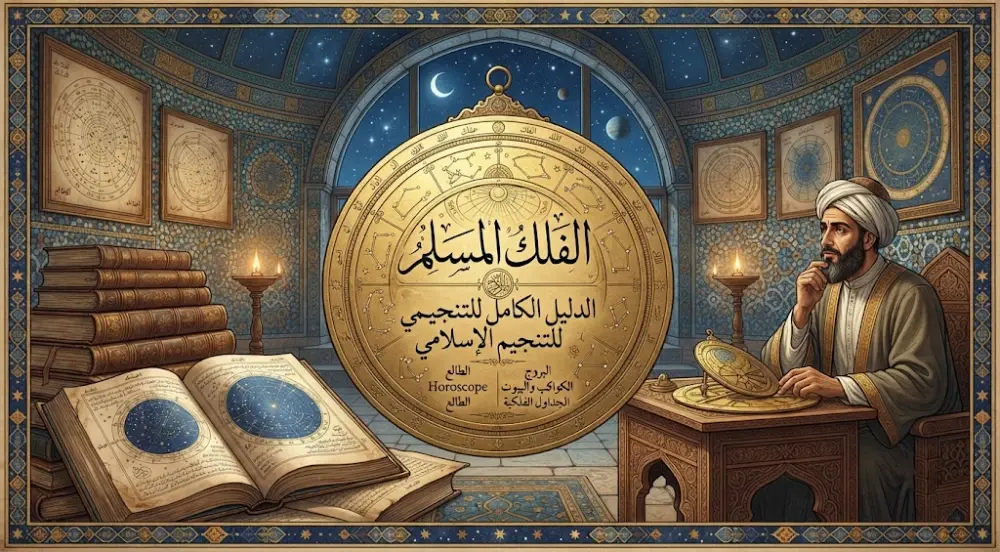
Muslim astrology is a topic that attracts interest from people who want to understand the relationship between celestial bodies, spirituality, personal life, and traditional Islamic beliefs. Many people search for Islamic astrology and horoscopes to learn about marriage, relationships, career, family matters, and future possibilities. However, it is important to understand the difference between astronomical knowledge, traditional cultural practices, and religious teachings in Islam.
Islam gives importance to faith, prayer, good character, patience, and trust in Allah. While stars and planets are part of the beautiful universe created by Allah, predicting a person's future through zodiac signs or planetary positions is a different matter. This complete guide explains the meaning of Muslim astrology, Islamic perspectives on horoscopes, spiritual practices, and the importance of making thoughtful decisions in life.
Muslim astrology generally refers to the ideas and traditional practices that connect celestial observations with human life, personality, relationships, and future events. Historically, different societies developed systems involving stars, planets, calendars, and celestial calculations.
In Islamic history, astronomy developed as an important field of knowledge. Scholars studied the movements of the sun, moon, and stars for timekeeping, navigation, calendars, and scientific purposes.
However, astronomy and astrology should not be confused. Astronomy is the scientific study of celestial objects and their movements, whereas astrology attempts to connect planetary positions with human personalities or future events.
Understanding this distinction is important for anyone interested in Islamic traditions and spiritual knowledge.
In Islam, the stars, moon, sun, and planets are considered part of Allah's creation. The Quran encourages people to reflect on the universe and recognise the signs of the Creator.
Stars have practical uses in navigation and identifying directions. The movements of the sun and moon also help determine time, seasons, and the Islamic calendar.
Muslims are encouraged to appreciate these creations and understand their natural purposes. However, stars should not be considered independent sources of power that control human destiny.
Islam teaches that Allah alone has complete knowledge of the unseen. Therefore, people should be careful about claims that someone can accurately predict every future event through planetary positions or horoscope readings.
Many people use astronomy and astrology interchangeably, but they have different meanings and purposes.
Islamic Astronomy:
Studies the movements of the sun, moon, stars, and planets.
Helps determine prayer times and the Islamic calendar.
Supports navigation and understanding celestial events.
Uses mathematical calculations and scientific observations.
Does not require predicting individual destinies.
Astrology and Horoscopes:
Connect celestial positions with personality characteristics.
Associate zodiac signs with different life experiences.
Attempt to predict relationships, career developments, and future events.
Often present predictions about luck, marriage, and personal success.
Astronomical study has practical scientific applications. On the other hand, horoscope-based claims about individual destiny raise religious concerns in mainstream Islamic scholarship.
Horoscopes are commonly based on zodiac signs and planetary positions. People often read them to learn about their love life, marriage prospects, financial situation, or career opportunities.
However, mainstream Islamic scholarly guidance generally prohibits relying on horoscopes or astrologers to predict the future. This is because knowledge of the unseen belongs to Allah, and celestial movements should not be treated as a source of independent knowledge about human destiny.
The Quran reminds believers that knowledge of the unseen belongs to Allah. Muslims are therefore encouraged to place their trust in Him rather than depending on horoscope predictions.
For anyone interested in this subject, understanding authentic Islamic teachings is more important than following unsupported claims about future events.
Spirituality plays an important role in Muslim life. Faith, prayer, patience, gratitude, and good actions help individuals maintain emotional strength during difficult situations.
People experience different challenges involving relationships, family disagreements, financial responsibilities, and personal decisions. During such times, spiritual practices can provide comfort and encourage positive thinking.
Some important spiritual habits include:
Offering regular Salah and maintaining faith.
Making sincere Dua for guidance and peace.
Reading and understanding the Quran.
Practising patience during difficult situations.
Showing kindness and forgiveness towards others.
Trusting Allah while making responsible efforts.
Spirituality should encourage individuals to become more thoughtful, compassionate, and responsible in their everyday lives.
Marriage is an important commitment that requires love, trust, understanding, and responsibility. Many people search online for Muslim astrology and marriage compatibility because they want to understand whether their relationship will have a successful future.
However, zodiac signs and planetary positions cannot reliably establish whether two people will have a happy marriage.
In Islamic teachings, marriage decisions should be based on important qualities such as character, faith, mutual respect, compatibility, honesty, and willingness to fulfil responsibilities.
Couples should discuss their expectations, family values, financial plans, and future goals before making a marriage decision.
For people experiencing difficulties in love relationships or marriage decisions, seeking practical advice and appropriate guidance can help them understand their circumstances better.
Many Muslims turn towards prayer and Dua when they wish to get married or resolve difficulties related to marriage. Asking Allah for guidance, ease, and blessings is an important part of Islamic spirituality.
A person who wishes to get married can make sincere Dua, practise patience, and take practical steps towards finding a suitable partner.
Istikhara is also an established Islamic prayer for seeking Allah's guidance when making important decisions. It should not be treated as a guaranteed method of predicting the future or receiving a particular dream.
For those interested in learning about traditional marriage-related spiritual practices, you can explore Wazifa for Marriage.
It is important to remember that spiritual practices should never replace mutual consent, honest communication, or responsible decision-making.
Love and relationships can sometimes become complicated because of misunderstandings, family pressure, communication gaps, and differences in expectations.
When two people experience relationship difficulties, patience and respectful communication are important. Instead of depending on horoscope predictions, couples should understand the actual reasons behind their problems.
Islamic values encourage honesty, kindness, responsibility, and respect in relationships. These qualities can help individuals make better decisions about their personal lives.
People experiencing separation or emotional difficulties should avoid making decisions under pressure. They should consider whether reconciliation is healthy and mutually desired.
If you are interested in relationship-related guidance, you can visit Get Your Love Back to explore information about relationship concerns and traditional spiritual guidance.
Remember that reconciliation cannot be guaranteed, and another person's feelings and decisions must always be respected.
Dua is an important part of a Muslim's relationship with Allah. People make Dua for happiness, health, marriage, family peace, financial stability, and guidance.
During difficult times, sincere prayer can provide comfort and encourage patience. It also reminds individuals to remain hopeful while taking sensible steps to improve their circumstances.
Some positive practices include:
Making Dua regularly with sincerity.
Seeking forgiveness and practising gratitude.
Reading Quranic verses with understanding.
Maintaining good relationships with family members.
Avoiding harmful actions and negative behaviour.
Seeking advice from knowledgeable and trustworthy people.
Prayer should be approached with faith and sincerity rather than as a transaction that guarantees a particular result.
Traditional spiritual guidance has been part of different cultures for generations. People sometimes seek guidance when facing uncertainty about relationships, marriage, family matters, and personal decisions.
It is important to distinguish genuine religious guidance from unsupported claims about astrology, supernatural powers, or guaranteed results.
A responsible approach should respect Islamic beliefs, avoid exploiting vulnerable individuals, and never promise control over another person's thoughts or decisions.
If someone is facing a complicated love marriage situation, understanding the importance of mutual consent, family communication, and compatibility can be more useful than relying on horoscope predictions.
For additional information about traditional guidance related to love and marriage matters, you can visit Love Marriage Specialist.
There are several misconceptions about Muslim astrology that people should understand before searching for horoscope-related information.
Misconception 1: Zodiac Signs Decide Your Future
A person's future should not be considered predetermined by their zodiac sign. Muslims are encouraged to trust Allah and make responsible choices.
Misconception 2: Planetary Positions Guarantee Marriage Compatibility
A successful marriage depends on mutual understanding, character, commitment, and shared responsibilities rather than horoscope matching.
Misconception 3: Astrology and Astronomy Are the Same
Astronomy is a scientific discipline, while astrology attempts to associate celestial positions with human experiences and predictions.
Misconception 4: Spiritual Practices Can Control Another Person
Prayer and spiritual practices should encourage positive intentions and personal growth. They should not be presented as guaranteed ways to control someone's feelings or actions.
Misconception 5: Every Spiritual Adviser Has Religious Authority
People should carefully evaluate the knowledge, honesty, and qualifications of anyone offering religious or spiritual advice.
Whether the decision involves marriage, relationships, family responsibilities, or career development, Islamic values can provide a meaningful foundation.
Consider the following practices:
Strengthen your faith: Maintain a sincere connection with Allah through prayer and good deeds.
Seek knowledge: Understand relevant Islamic teachings before following traditional practices.
Think carefully: Consider the possible consequences of important decisions.
Consult trustworthy people: Seek advice from knowledgeable scholars and experienced individuals.
Practise Istikhara: Ask Allah for guidance when facing important decisions.
Respect others: Make sure your choices respect the rights, feelings, and consent of other people.
Take practical action: Combine prayer with responsible efforts and positive behaviour.
Following these principles can help individuals approach life's challenges with greater confidence, patience, and understanding.
Muslim astrology is an interesting topic because it connects historical celestial studies, cultural traditions, spirituality, and questions about human destiny. However, it is essential to understand the difference between Islamic astronomy and horoscope-based astrology.
Islam encourages believers to appreciate the universe, seek knowledge, maintain faith, and trust Allah. Stars and planets have important natural roles, but they should not be treated as independent sources of knowledge about personal destiny or the unseen.
When dealing with marriage, love, family, or personal difficulties, focus on prayer, patience, good character, mutual understanding, and practical solutions. Seek reliable Islamic guidance whenever you have questions about religious practices.
A balanced approach based on authentic knowledge, sincere faith, and responsible decisions can help individuals maintain spiritual well-being and build healthier relationships.
Fill the form below and our expert will contact you shortly.