Black Magic Mushtaq Ali
BLACK MAGIC SPECIALIST ASTROLOGER
- MIYA MUSHTAQ ALI -
BLACK MAGIC SPECIALIST ASTROLOGER
- MIYA MUSHTAQ ALI -
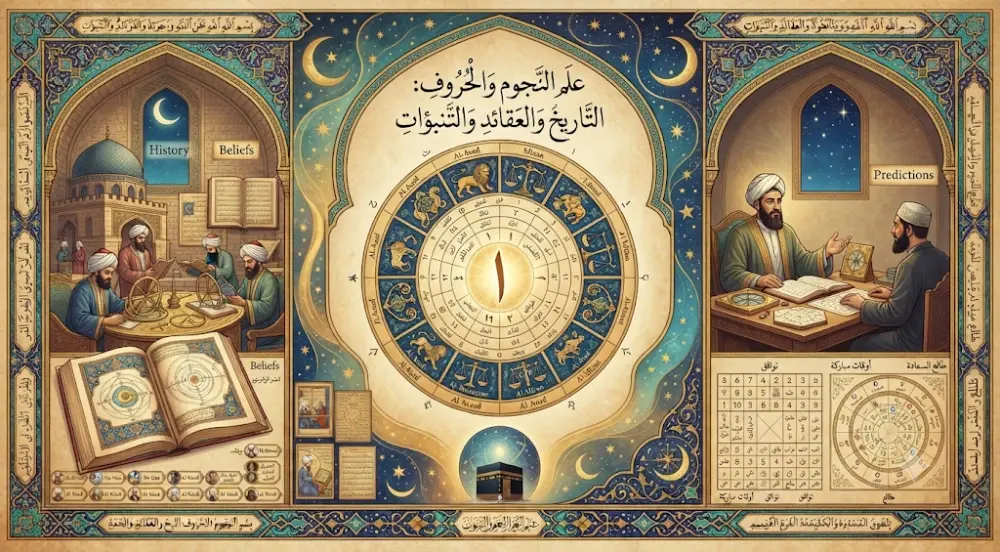
Islamic astrology and numerology are topics that attract the attention of people interested in spirituality, historical traditions, numbers, stars, and their connection with human life. Many people search for information about Islamic numerology, horoscope predictions, lucky numbers, marriage compatibility, and spiritual guidance to understand different aspects of their personal lives.
Throughout history, different cultures have developed beliefs about the influence of celestial bodies and numbers on human experiences. Islamic civilisation also made significant contributions to mathematics, astronomy, and the study of the universe. However, it is important to distinguish historical scientific knowledge from astrology and numerology-based predictions. Mainstream Islamic teachings emphasise faith in Allah, prayer, good character, and the belief that knowledge of the unseen belongs to Him alone.
This guide explores the history of Islamic astrology and numerology, traditional beliefs, the Islamic perspective, and their relationship with marriage, love, and everyday decisions.
Islamic astrology generally refers to historical and traditional practices that associate celestial bodies, such as stars and planets, with human personality, relationships, and future events.
In different historical societies, people observed the movements of celestial objects and developed systems to interpret their possible connections with everyday life.
During the medieval period, astrology was studied in various intellectual traditions, including parts of the Islamic world. Some scholars translated and examined earlier astronomical and astrological writings.
However, astronomy and astrology have different purposes. Astronomy is the scientific study of celestial objects, their movements, and the structure of the universe. Astrology attempts to connect planetary positions with human personality and future events.
Mainstream Islamic scholarship does not endorse relying on astrology to predict individual destinies or determine future outcomes.
The history of astronomy in Islamic civilisation is rich and closely connected with mathematics, navigation, geography, and calendar calculations.
During the early centuries of Islamic civilisation, scholars translated important scientific works from Greek, Persian, and Indian traditions. These translations contributed to the development of mathematics and astronomical research.
Important centres of learning, including Baghdad, became places where scholars studied celestial movements and improved astronomical calculations.
Historical figures such as Al-Battani, Al-Biruni, and Al-Tusi made important contributions to astronomy and related sciences.
Astronomical knowledge helped people understand:
Movements of the sun and moon.
Lunar and solar calendars.
Prayer time calculations.
Navigation and geographical directions.
Seasonal and celestial observations.
Mathematical methods for studying the universe.
Although astrology also appeared in historical intellectual discussions, its predictive claims should not be confused with the scientific achievements of Islamic astronomers.
Numerology is a traditional belief system that associates numbers with symbolic meanings, personality characteristics, or life experiences.
Some historical and cultural traditions connected Arabic letters with numerical values. One example is the Abjad system, in which Arabic letters are assigned numerical equivalents.
Historically, Abjad calculations were used in different contexts, including chronograms, historical inscriptions, and literary traditions.
Some spiritual and cultural practices later developed interpretations involving names, dates, and numerical combinations.
However, it is important to understand that numerology is not an established method of predicting the future in Islam. Assigning numbers to names or dates does not provide reliable knowledge about someone's destiny, marriage, or personal future.
The Abjad system is one of the historical numerical systems associated with Arabic letters. Each letter has a particular numerical value.
Historically, this system was used for numerical representations and certain literary and cultural purposes.
Some traditional numerology practices use these values to calculate numbers associated with names. However, such calculations should not be treated as religiously established predictions or guaranteed indicators of personality, compatibility, or future events.
Understanding the historical purpose of Abjad helps distinguish cultural traditions from authentic Islamic beliefs.
Numbers appear throughout Islamic religious, historical, and everyday practices. For example, Muslims observe five daily prayers, and the Islamic calendar is based on twelve lunar months.
Certain numbers also appear in Quranic narratives and Islamic traditions. Their significance comes from their religious or historical context rather than from a universal system of predicting personal destiny.
People should avoid assuming that a particular number automatically brings good luck, bad luck, wealth, marriage, or success.
Islam encourages believers to place their trust in Allah and make decisions through knowledge, prayer, and responsible actions rather than depending on superstitious interpretations.
Horoscopes are commonly associated with zodiac signs and planetary positions. People often read them to learn about relationships, career opportunities, financial situations, and marriage prospects.
However, horoscope predictions are not a reliable way to understand future events. Mainstream Islamic teachings prohibit relying on astrologers and horoscope readings for knowledge of the unseen.
The Quran teaches that knowledge of the unseen belongs to Allah. Therefore, Muslims are encouraged to avoid treating planetary movements as a source of independent power or guaranteed predictions.
Instead of depending on horoscopes, individuals can focus on personal development, practical planning, prayer, and responsible decision-making.
Love and relationships are important parts of human life. People sometimes experience misunderstandings, emotional distance, family pressure, and uncertainty about marriage.
Islamic values encourage honesty, kindness, patience, respect, and responsibility between individuals.
When relationship problems arise, couples should try to understand the reasons behind their disagreements. Open communication and mutual understanding can help resolve many issues.
Some individuals also seek spiritual comfort through prayer and Dua during difficult relationship situations.
If you are interested in relationship-related guidance and reconciliation information, you can explore Get Your Love Back.
Remember that reconciliation requires willingness from both individuals. No spiritual practice or numerical calculation can guarantee another person's love or control their decisions.
Marriage compatibility is a common reason people search for Islamic numerology. Some traditional systems associate names, birth dates, or numerical values with relationship compatibility.
However, these calculations do not establish whether two people will have a successful marriage.
Islamic marriage values focus on character, faith, mutual respect, honesty, emotional maturity, and responsibility.
Before choosing a life partner, couples should discuss:
Religious and personal values.
Family expectations and responsibilities.
Financial planning and career goals.
Communication styles and emotional needs.
Future plans and lifestyle preferences.
Mutual respect and commitment.
These practical considerations provide a much stronger foundation for marriage than numerology-based predictions.
Many Muslims make Dua when they wish to find a suitable life partner, overcome marriage difficulties, or receive blessings in their married lives.
Prayer and sincere supplication can provide emotional comfort and strengthen a person's connection with Allah.
Istikhara is also an established Islamic practice for seeking guidance when making important decisions. It should not be considered a method of predicting the future or guaranteeing a particular marriage outcome.
For more information about traditional marriage-related spiritual guidance, you can visit Wazifa for Marriage.
Spiritual practices should always be approached with sincere intentions and respect for Islamic teachings. Marriage must be based on mutual consent, honesty, and willingness from both partners.
Love marriage can sometimes become challenging when families disagree with a couple's decision. Differences in culture, religion, financial background, or family expectations may create misunderstandings.
In such situations, patience and respectful communication are important.
Both partners should explain their feelings honestly and demonstrate that they understand the responsibilities of marriage.
Introducing families gradually, discussing future plans, and involving a trusted family member may help reduce unnecessary conflicts.
If you are looking for information about love marriage-related guidance, visit Love Marriage Specialist.
A successful marriage should never depend on emotional pressure or forced decisions. Both individuals should have the freedom to make their own choices.
Black magic is a subject discussed in different cultural and religious traditions. Some people become concerned about supernatural influences when they experience relationship problems, family disagreements, or unexpected difficulties.
In Islamic teachings, sihr is mentioned in religious texts, but people should be careful about making accusations without evidence or blaming every personal problem on supernatural causes.
Muslims are encouraged to seek protection and comfort through authentic religious practices, including sincere Dua and Quranic recitation.
Avoid individuals who use fear, make unrealistic promises, demand excessive payments, or claim guaranteed control over other people.
If you want to understand the subject of traditional spiritual guidance related to these concerns, you can explore Black Magic Specialist.
It is important to prioritise authentic religious knowledge, personal safety, and practical solutions rather than accepting unsupported claims.
There are several misconceptions surrounding Islamic astrology and numerology.
Misconception 1: Numerology Can Predict Every Life Event
Numerical calculations cannot reliably determine marriage, financial success, career growth, or future events.
Misconception 2: Every Number Has a Guaranteed Spiritual Effect
Numbers may have historical or religious significance in particular contexts, but assigning universal lucky or unlucky meanings is not an established Islamic teaching.
Misconception 3: Astrology and Astronomy Are the Same
Astronomy is a scientific discipline, while astrology attempts to associate celestial positions with human experiences and predictions.
Misconception 4: Name Calculations Guarantee Marriage Compatibility
A successful relationship depends on character, communication, trust, and mutual commitment rather than numerical combinations.
Misconception 5: Spiritual Practices Can Control Other People
Prayer and Dua should be based on sincere intentions and should never be presented as guaranteed methods of controlling another person's thoughts, feelings, or decisions.
Whether you are thinking about marriage, relationships, career development, or family responsibilities, Islamic values can help you approach important decisions thoughtfully.
Consider these practices:
Maintain your connection with Allah through regular prayer.
Seek authentic Islamic knowledge before following traditional practices.
Make sincere Dua for guidance and well-being.
Practise Istikhara when facing important decisions.
Consult knowledgeable and trustworthy people.
Consider practical consequences before making major commitments.
Respect the feelings, rights, and consent of others.
Practise patience, honesty, and gratitude in everyday life.
Combining faith with responsible actions can help individuals face uncertainty with greater confidence and emotional balance.
Islamic astrology and numerology have interesting historical connections with astronomy, mathematics, Arabic numerical systems, and traditional cultural practices. Understanding their history helps explain why people continue to explore these subjects when searching for answers about relationships, marriage, spirituality, and personal life.
However, it is essential to distinguish historical traditions from authentic Islamic teachings. Astronomy provides scientific knowledge about the universe, while astrology and numerology-based predictions do not offer established knowledge about individual destiny.
Islam encourages believers to trust Allah, seek knowledge, maintain good character, and make thoughtful decisions. For marriage and relationship matters, focus on compatibility, communication, mutual consent, and shared responsibilities.
Prayer, Dua, and sincere spiritual practices can provide comfort during difficult situations. By combining faith, understanding, and practical efforts, individuals can work towards a more peaceful and meaningful life.
Fill the form below and our expert will contact you shortly.